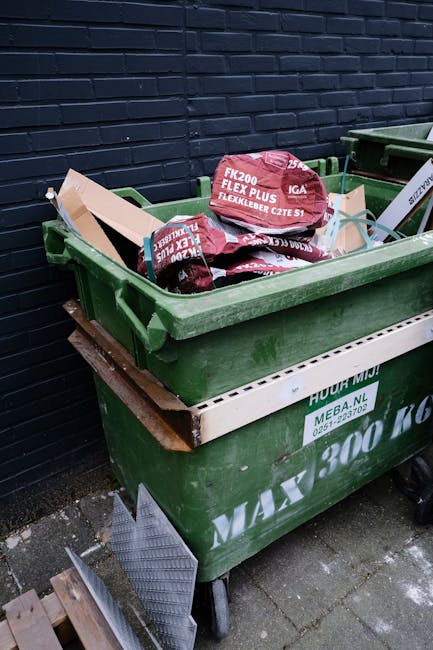
Archway Road builders' waste: Safe disposal for trades
If you work on sites, extensions, refurbishments, or fast-turnaround maintenance jobs near Archway Road, you already know one thing: waste builds up quickly. Offcuts, rubble, broken plasterboard, packaging, old fixtures, timber, and mixed muck can turn a tidy job into a messy one before lunch. This guide to Archway Road builders' waste: Safe disposal for trades is here to make that part easier, safer, and far less stressful.
Whether you are a sole trader, a small crew, or running multiple jobs across North London, the goal is the same: keep the site clear, protect your team, avoid avoidable hassle, and dispose of trade waste properly. That sounds simple enough. In practice, it takes a bit of planning. The good news? Once you have the right process, it becomes routine.
Below, you will find practical guidance on what counts as builders' waste, how safe disposal works, who it suits, how to avoid common mistakes, and what best practice looks like on real jobs. There is also a checklist, a comparison table, and answers to the questions tradespeople ask most often.
Table of Contents
- Why Archway Road builders' waste: Safe disposal for trades Matters
- How Archway Road builders' waste: Safe disposal for trades Works
- Key Benefits and Practical Advantages
- Who This Is For and When It Makes Sense
- Step-by-Step Guidance
- Expert Tips for Better Results
- Common Mistakes to Avoid
- Tools, Resources and Recommendations
- Law, Compliance, Standards, or Best Practice
- Options, Methods, or Comparison Table
- Case Study or Real-World Example
- Practical Checklist
- Conclusion
- Frequently Asked Questions
Why Archway Road builders' waste: Safe disposal for trades Matters
Builders' waste is not just "rubbish from the job". It is a working issue. On a live site, waste can get underfoot, block access, hide hazards, and slow every trade down. A few plasterboard offcuts in the wrong place can become a trip risk. A pile of mixed waste near a doorway can make deliveries awkward. And if you're working near a busy road like Archway Road, the impact of poor waste handling is even more noticeable because access, parking, and timing are often tight.
Safe disposal matters because it protects three things at once: people, productivity, and reputation. A neat site signals control. It tells the client, the neighbours, and the other trades that the job is being handled properly. To be fair, nobody loves waste management. But everybody notices when it is done badly.
There is also the practical side. Mixed waste is harder to remove, harder to sort, and usually less efficient to deal with. If you let everything pile up, you can end up paying for extra collections, wasting labour time, and creating friction with the client or building manager. That is before you even get into the compliance side, which we will cover later.
If your work often involves recurring clear-outs, short-notice collections, or tight programme schedules, it can help to look at related local service options too, such as house clearance in London for larger domestic clearances and shop clearance when a job includes old fittings, shelving, or retail strip-out waste. Not every trade job needs the same approach, and that is exactly the point.
Practical takeaway: the cleaner and more sorted your waste stream is, the easier it is to keep the site safe, move faster, and avoid unnecessary headaches later.
How Archway Road builders' waste: Safe disposal for trades Works
Safe trade waste disposal is really a sequence of small decisions. You identify what is being produced, separate what can be kept apart, store it safely, and arrange collection or removal at the right time. Simple on paper. Slightly more chaotic on a wet Thursday morning when the plaster dust is already everywhere. Still, the process is manageable if you keep it consistent.
1. Sort waste at the source
The best time to separate waste is when it is created. Keep rubble, timber, cardboard, metal, plasterboard, and general mixed waste apart where possible. Even a basic separation system can make a huge difference. For example, if you know a bathroom rip-out will produce a lot of tiles, plasterboard, and packaging, allocate separate bags or piles from the start.
2. Use the right container or containment method
Depending on the job size, that might mean rubble sacks, heavy-duty bags, a skip, a cage, or a scheduled man-and-van removal. The right choice depends on access, volume, weight, and whether the material is clean and separable. On a narrow street or a tight side access, the best solution is not always the biggest one. Sometimes smaller, more frequent removals work better.
3. Keep walkways and work areas clear
Waste should never become part of the route through the site. If a stack is growing near the only entrance, it is already creating a problem. Good tradespeople know the site layout changes through the day, so waste storage has to move with the work. That is especially true on multi-trade jobs where one team's tidy pile becomes another team's obstacle.
4. Arrange removal before the waste spills over
Do not wait until the site is bursting at the seams. By the time collections become urgent, the job has usually lost control a bit. Regular removal keeps the site breathable and reduces the chance of damage or complaints. If there is dust, smell, or sharp debris involved, faster removal is more than convenient; it is just safer.
5. Confirm where the waste is going
Responsible disposal means more than getting it off-site. It should be handled by a legitimate waste carrier and processed appropriately. If a contractor cannot explain what happens after collection, that is a red flag. You do not need theatrics, just clarity. Clean handover, traceable removal, no mystery van, no drama.
Key Benefits and Practical Advantages
Good builders' waste management is not just about compliance. It makes the whole job run better. And let's face it, a smoother job is usually a more profitable one.
- Safer working conditions: fewer trip hazards, fewer sharp edges lying around, and less clutter in access routes.
- Faster progress: trades can move freely, materials can be delivered more easily, and snagging is simpler.
- Better client impression: a tidy site looks organised and professional, even during messy works.
- Reduced rework: less waste sitting around means less chance of damage to finishes, fittings, or tools.
- Improved sorting: separating materials early can make disposal more efficient and may reduce the amount of mixed waste.
- Fewer disputes: clear waste handling expectations can help avoid disagreements about who clears what.
There is also a small but real morale benefit. Crews generally work better in a space that feels under control. Nobody enjoys stepping over a pile of broken tile boxes first thing in the morning. It is one of those tiny things that builds frustration over time.
If your work touches domestic refurbishments, a broader approach can help too. Services such as garage clearance and waste collection in Shepherds Bush show how important it is to match the removal method to the setting, access, and volume. Different jobs, different pressures.
Who This Is For and When It Makes Sense
This topic is relevant to a wide range of trades. If you are on site regularly, you probably already know that waste is never just waste. It is a by-product of planning, sequencing, and pace.
This approach makes sense for:
- builders and general contractors
- plumbers, electricians, and heating engineers
- kitchen and bathroom fitters
- roofers and bricklayers
- decorators and plasterers
- shopfitters and refurbishment teams
- property managers coordinating repairs
- small businesses handling strip-out or renovation waste
It is especially useful when the job is local, access is limited, or the programme is tight. Archway Road and the surrounding North London area can be busy, and that often means less room for on-site storage, fewer easy parking options, and more pressure to keep collections timed well. If the site is in a terrace, flat conversion, high street unit, or shared building, the margin for error is smaller.
Ask yourself: do you need waste to disappear quickly, or can it sit for a day or two? Will the job create heavy rubble, awkward bulky items, or mostly lightweight packaging? Is there room for a skip, or would a quick collection service be easier? Those answers usually point you toward the right system.
Step-by-Step Guidance
Here is a practical way to manage trade waste safely without making the process more complicated than it needs to be.
- Survey the job before work starts. Think through what materials are coming out, where they will pile up, and how they will leave the site.
- Set waste zones early. Even a simple corner for clean timber and another for rubble can stop the whole site from becoming a jumble.
- Brief the team. A quick five-minute chat often prevents hours of mess later. Who is stacking what? Where does cardboard go? What should never be mixed?
- Use appropriate bags and containers. Heavy-duty rubble sacks, sealed bags for dusty waste, and sturdy bins for packaging can save a lot of bother.
- Watch weight and access. A bag that is technically movable is not always safe to lift. Overfilled sacks are a classic mistake.
- Book removal before the site clogs up. Regular pickups are usually easier than emergency clearances.
- Keep records where needed. For business waste, it helps to know who collected it, when, and what type it was.
- Do a final sweep. Before handover, check corners, cupboards, under stairs, and the space around skips or bags. Waste loves hiding where nobody looks.
A simple rule helps here: if it is making the job harder to move around, it is already late for removal.
Expert Tips for Better Results
Once you have the basics in place, a few small habits can make a big difference. These are the sorts of things experienced crews do without making a song and dance about it.
Separate clean waste from dirty waste
Cardboard, clean timber, and packaging are far easier to deal with if they are kept away from plaster, food waste, wet materials, or mixed rubble. Clean waste is more flexible. Once it is contaminated, options shrink fast.
Keep a "first out" pile
For jobs with lots of demolition or strip-out, identify the first waste to leave the site. It clears room for the next phase and stops the start of the job becoming a bottleneck. It sounds small, but honestly, it saves time more often than you'd think.
Do not overload bags
Overfilled sacks are awkward, unsafe, and slower to remove. They can split, spill, or become impossible to carry properly. If a bag looks like it has been packed by someone trying to win a prize, it is probably too full.
Protect shared areas
In flats, mixed-use buildings, and narrow access sites, dust and debris can spread into communal areas quickly. Use coverings, route planning, and prompt clear-outs to keep neighbours and building users happy. That sort of thing matters more in real life than on paper.
Schedule removals around the workday
Mid-morning or early afternoon removals often work better than end-of-day panic. If the collection is timed well, the team can start fresh the next morning. You really feel the difference on a Monday.
For bigger or awkward clear-outs, it can also help to pair trade waste removal with related services such as office clearance for commercial refurbishments or flat clearance when a residential renovation includes old furniture, fixtures, or general contents removal. The cleaner the planning, the fewer surprises later.
Common Mistakes to Avoid
Most waste problems are avoidable. The same mistakes come up again and again, usually because everyone is busy and trying to keep moving. Fair enough. But a few of them are worth calling out plainly.
- Mixing everything together: once waste is mixed, it is harder to sort, heavier to handle, and usually less efficient to remove.
- Leaving waste in access routes: even a small pile can slow trades and create trip hazards.
- Assuming a skip will solve every problem: skips are useful, but they are not always ideal for tight access or fast-moving jobs.
- Forgetting about dusty waste: plaster, insulation offcuts, and fine debris need careful containment.
- Ignoring wet weather: rain can turn light waste into heavy, messy material very quickly.
- Not confirming the collector is legitimate: always use proper waste handling arrangements and keep a sensible paper trail.
- Waiting too long to book removal: urgent clearances tend to be more disruptive than planned ones.
One of the biggest oversights is thinking the job is "nearly done" while waste is still sitting everywhere. It rarely feels dramatic in the moment. Then handover comes round, and suddenly the mess becomes the only thing anyone sees.
Tools, Resources and Recommendations
You do not need a huge kit to manage trade waste properly, but the right basics help a lot. Start with practical, durable tools rather than clever ones.
- Heavy-duty rubble sacks: useful for bricks, tiles, plaster fragments, and general demolition debris.
- Clear labelling: simple signs or marked zones can help teams separate material quickly.
- Wheelbarrows or tubs: handy for moving waste from tight internal areas to a collection point.
- Dust sheets and covers: especially helpful when working near finished surfaces or communal spaces.
- Gloves and boots: basic, yes, but still essential. Cuts and punctures are an avoidable nuisance.
- Site notes or digital job sheets: a quick note of what waste has been removed and what remains keeps everyone aligned.
As a practical recommendation, treat waste planning as part of the job method, not an afterthought. If you are preparing for a larger strip-out, refurbishment, or property clear-out, it may also help to think about whether the job needs a broader service package rather than a single collection.
For example, some projects benefit from coordinated removal across different waste types, while others are better handled in stages. If access is awkward or the volume is changing day by day, that flexibility matters. Sometimes the simple option is the best one. Sometimes it is not. That is the truth of it.
Law, Compliance, Standards, or Best Practice
Trade waste disposal in the UK needs to be handled responsibly. Without turning this into a legal lecture, the important point is straightforward: businesses have a duty to deal with their waste properly and to use appropriate collection and disposal arrangements.
In plain English, that means you should:
- make sure waste is not fly-tipped or left in an unsafe state
- use suitable carriers and disposal routes
- keep business waste separate from domestic waste where required
- retain relevant paperwork or records when appropriate
- take extra care with hazardous or specialist materials
Some materials need particular attention. For example, plasterboard, insulation, electrical items, and anything that could be hazardous should not just be thrown into a mixed pile and forgotten about. If you are uncertain, stop and check before mixing it with other waste. That pause can save a lot of trouble.
Best practice is usually simple: sort as much as possible, store it safely, arrange legitimate removal, and keep the site tidy throughout the job rather than only at the end. If a client, landlord, or managing agent asks what happened to the waste, you should be able to answer clearly. That confidence matters.
For jobs involving larger clear-outs or mixed contents, services such as house clearance in Hampstead and house clearance in Wood Green show how different neighbourhood contexts can call for different handling and timing. The local setting changes the practical plan more than people sometimes expect.
Options, Methods, or Comparison Table
There is more than one way to remove builders' waste. The best option depends on access, volume, timing, and the type of material involved. Here is a straightforward comparison to help with decision-making.
| Method | Best for | Strengths | Watch-outs |
|---|---|---|---|
| Rubble sacks / bagged waste | Smaller jobs, phased clearances, tight access | Flexible, easy to stage, good for sorting | Can be slow if volumes rise quickly |
| Skip hire | Heavy rubble, larger refurbishments, ongoing demolition | Good capacity, simple on long jobs | Space, permits, and access can be an issue |
| Man-and-van removal | Fast clear-outs, awkward access, mixed trade waste | Convenient, often more responsive, less site disruption | Needs clear sorting if you want efficiency |
| Scheduled multi-pickup service | Longer projects with steady waste production | Keeps the site under control, reduces pile-up | Requires planning and regular coordination |
If the job is short, access is awkward, or waste volume is unpredictable, a flexible collection approach is often easier than trying to force a one-size-fits-all solution. On the other hand, if you are stripping out a larger property or refurbishing multiple rooms, a more structured arrangement may save time overall.
Case Study or Real-World Example
Here is a realistic scenario. A small refurbishment team is working near Archway Road on a compact residential project: new kitchen, partial flooring replacement, some plaster patching, and a bit of demolition at the start. Nothing extreme, but enough to create a constant flow of waste.
At first, the team uses one mixed pile near the entrance. It seems fine for the first day. By the second morning, cardboard from deliveries, plaster dust, broken tiles, and timber offcuts are all sitting together. The route into the property gets narrower, the floor protection starts lifting at the edges, and the client begins asking questions about when the space will look tidy again.
They reset the plan. Rubble is kept in separate sacks, cardboard is flattened and stored apart, and lighter waste is moved out at the end of each day. A collection is booked before the pile gets too big. Suddenly the site feels calmer. The team spends less time shuffling debris around and more time actually working.
Nothing magical happened. They just stopped letting waste set the pace.
That sort of reset is common on real jobs. Once the waste stream is organised, the whole site tends to breathe a bit easier. You hear it too - less scraping, less crunching underfoot, fewer people muttering about "who put that there?".
Practical Checklist
Use this checklist before, during, and after the job to keep disposal safe and controlled.
- Identify the main waste types before work starts
- Set aside separate zones for rubble, timber, cardboard, and mixed waste
- Make sure walkways and exits stay clear
- Use bags or containers suitable for the material weight
- Do not overfill sacks or bins
- Protect shared corridors, drives, or communal areas
- Arrange collection before waste becomes unmanageable
- Confirm the disposal route is legitimate and appropriate
- Keep notes or records if the job requires them
- Do a final sweep for hidden debris, dust, and offcuts
Quick self-check: if someone arrived on site now, would they immediately understand where waste goes? If not, it probably needs tidying up.
Conclusion
Safe disposal of builders' waste is one of those trade tasks that does not get much applause, but it has a huge effect on how a job feels and how smoothly it runs. For work around Archway Road, where access, timing, and site conditions can be a bit tighter than you would like, a clear waste plan is more than helpful - it is part of doing the job properly.
Keep waste sorted, keep routes clear, remove material before it becomes a problem, and choose a disposal method that suits the site rather than fighting against it. That is the core of good trade waste handling. Simple, steady, and reliable. And honestly, that is usually what clients appreciate most.
If you are planning a refurbishment, strip-out, or ongoing site clearance, now is the right time to make the waste plan just as organised as the build plan.
Get a free quote today and see how much you can save.
Do the small things well, and the bigger job gets easier. Funny how often that turns out to be true.
Frequently Asked Questions
What counts as builders' waste on a trade job?
Builders' waste usually includes rubble, broken brick, tiles, plasterboard, timber offcuts, packaging, old fixtures, and mixed debris created during construction, renovation, or repair work. Some items need extra care, especially anything dusty, sharp, or potentially hazardous.
Can I mix different types of trade waste together?
You can, but it is often less efficient and can increase disposal difficulty. Separating materials like cardboard, timber, and rubble usually makes removal easier and cleaner. Mixed waste is more common on smaller jobs, but sorting is still better where possible.
How often should builders' waste be removed from a site?
That depends on the size of the project, access, and how quickly waste builds up. On busy jobs, daily or scheduled removals can keep the site safe and manageable. On smaller jobs, a single planned collection may be enough.
Is a skip always the best option for trade waste?
Not always. Skips work well for larger volumes of heavy material, but they are not ideal for every site. Narrow access, limited parking, and fast turnaround jobs may be better suited to bagged waste or a collection service.
What is the safest way to handle heavy rubble?
Use suitable sacks or containers, avoid overfilling, and move material using proper manual handling techniques or site equipment. Heavy rubble should be staged carefully so it does not create trip hazards or strain injuries.
Do I need to keep records for trade waste disposal?
For business waste, keeping sensible records is good practice. It helps if there is ever a question about where the waste went or who collected it. The exact paperwork needed can vary depending on the situation, so it is wise to keep clear job notes at minimum.
What should I do with plasterboard or dusty waste?
Keep it separate where possible and handle it carefully so dust does not spread across the site. Dusty waste can be unpleasant and messy, so prompt containment and removal usually make the whole job easier.
How do I keep a small site tidy during a renovation?
Set clear waste zones, remove waste regularly, keep routes open, and brief everyone on where each waste type goes. Small sites can become cluttered surprisingly fast, so daily tidying often makes a big difference.
Why does safe builders' waste disposal matter for trades?
It protects workers, reduces delays, improves the client's impression, and helps avoid awkward problems later. A tidy site is usually a more productive site, and on busy jobs that matters more than people sometimes admit.
What is the biggest mistake tradespeople make with waste?
Probably leaving it too long before removal. Waste tends to grow quietly at first, then suddenly becomes the thing that slows everything down. Once it starts blocking access, you are already behind.
Can waste removal be arranged for tight-access properties near Archway Road?
Yes, often it can. The key is matching the method to the site. For tight access, smaller collections, bagged waste, or staged removal can be more practical than trying to force a large container into a difficult space.
What should I look for in a trade waste removal service?
Look for clear communication, sensible timing, appropriate handling for the waste type, and a process that fits your site conditions. Good service should make the job easier, not add confusion to it. If it feels overly complicated, it probably is.